I
Art as a way of knowing
I believe art makes life worth living. I do not mean that art provides an escape from reality, or that it exists only to make reality more beautiful. Art makes attention consequential. It gives form to things that would otherwise remain private, unfinished, or difficult to name. When an idea becomes an image, a sound, a sentence, or a garment, it can be encountered by someone else. It begins to participate in the world.
Making is how I test my own understanding. An idea can feel complete while it is still abstract, but material exposes every assumption. Cloth falls, stretches, resists, and remembers. A pattern has to reconcile a flat system with a moving body. Construction turns intention into a sequence of choices that can no longer remain vague. That process is what draws me to fashion: thought becomes physical, intimate, and answerable to use.
II
Attention before influence
I want the sources of my work to begin with what I have actually looked at and lived with: film, music, literature, art, and personal observations that continue to return to me. I am interested in the difference between recognizing an image and knowing why it matters. Familiarity is easy to manufacture. Taste requires time, comparison, and the willingness to notice when a response is truly your own.
Social media can make an artist feel permanently informed while steadily separating them from concentration. Images arrive without sequence or consequence. The pressure to promote work becomes entangled with the process of deciding what work should be. I have stepped away from that rhythm because I want to recover a more deliberate relationship to influence. I do not want an algorithm’s summary of my interests to become the boundary of my imagination.
This is not a rejection of contemporary culture. It is a commitment to encounter it with enough attention to make choices. I want to look closely at the ordinary world as well as the work that has survived sustained looking. A shadow across a building, the posture of someone waiting, the structure of a piece of music, or the logic of an old image can all become useful—not as references to reproduce, but as ways of organizing perception.
True influence is not a surface to borrow. It is a way of learning how another person made a decision.
III
History as foundation
Art history has become essential to how I think. Canonical work is not valuable because a canon is complete or neutral; it is valuable because creative breakthroughs form a sequence. One artist’s solution becomes another artist’s material. A new language often begins by understanding the limits of an old one. Learning that sequence gives invention greater context and makes imitation easier to recognize.
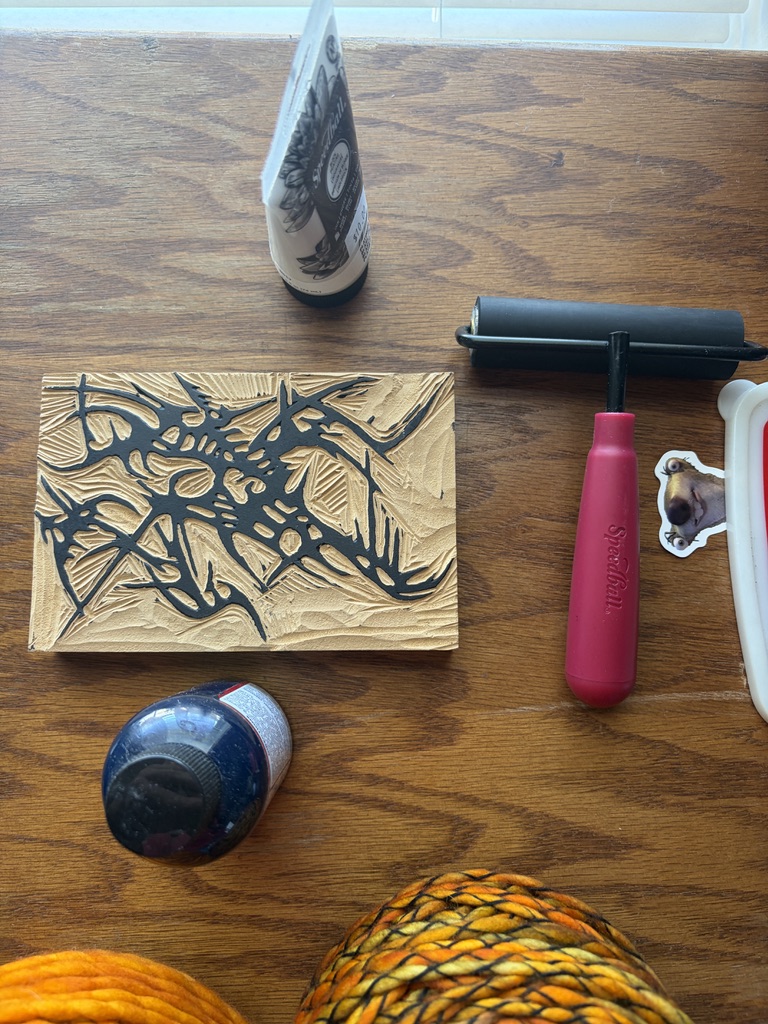
I am hungry to learn across disciplines because fashion does not exist alone. Color has a history. Printed images have technologies and economies behind them. Music establishes time, poetry changes the weight of a word, and film controls what can be seen and for how long. The value of studying these forms is not to assemble a catalogue of sophisticated references. It is to understand how people have repeatedly found new structures for feeling and thought.
IV
Construction as thought
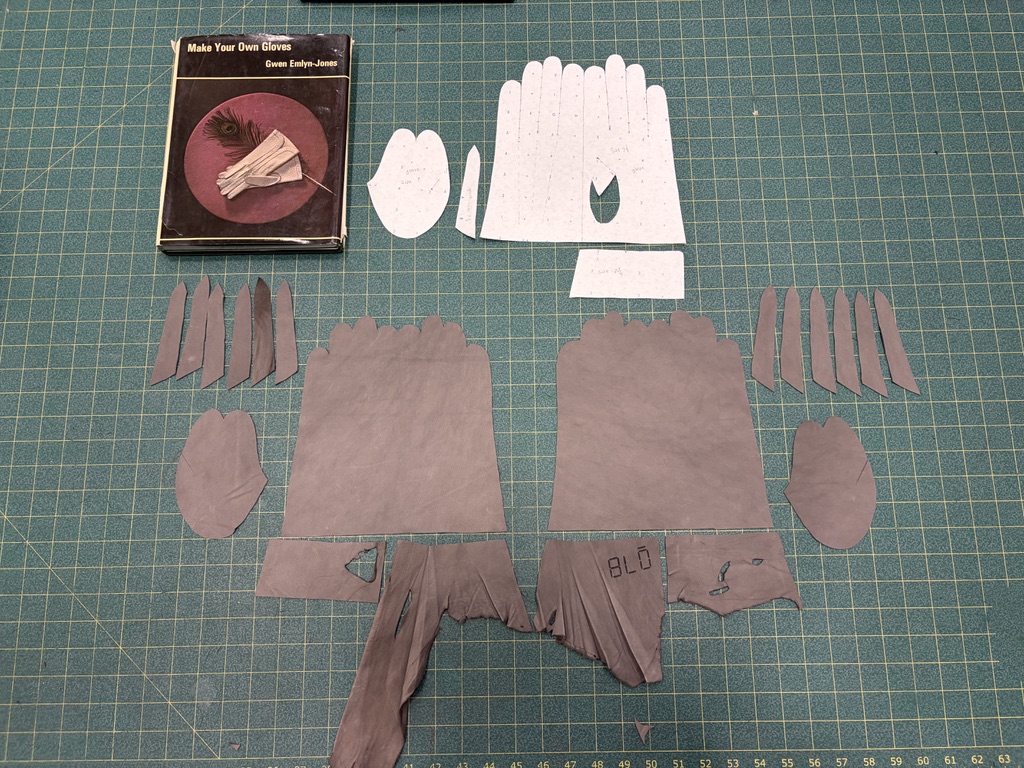
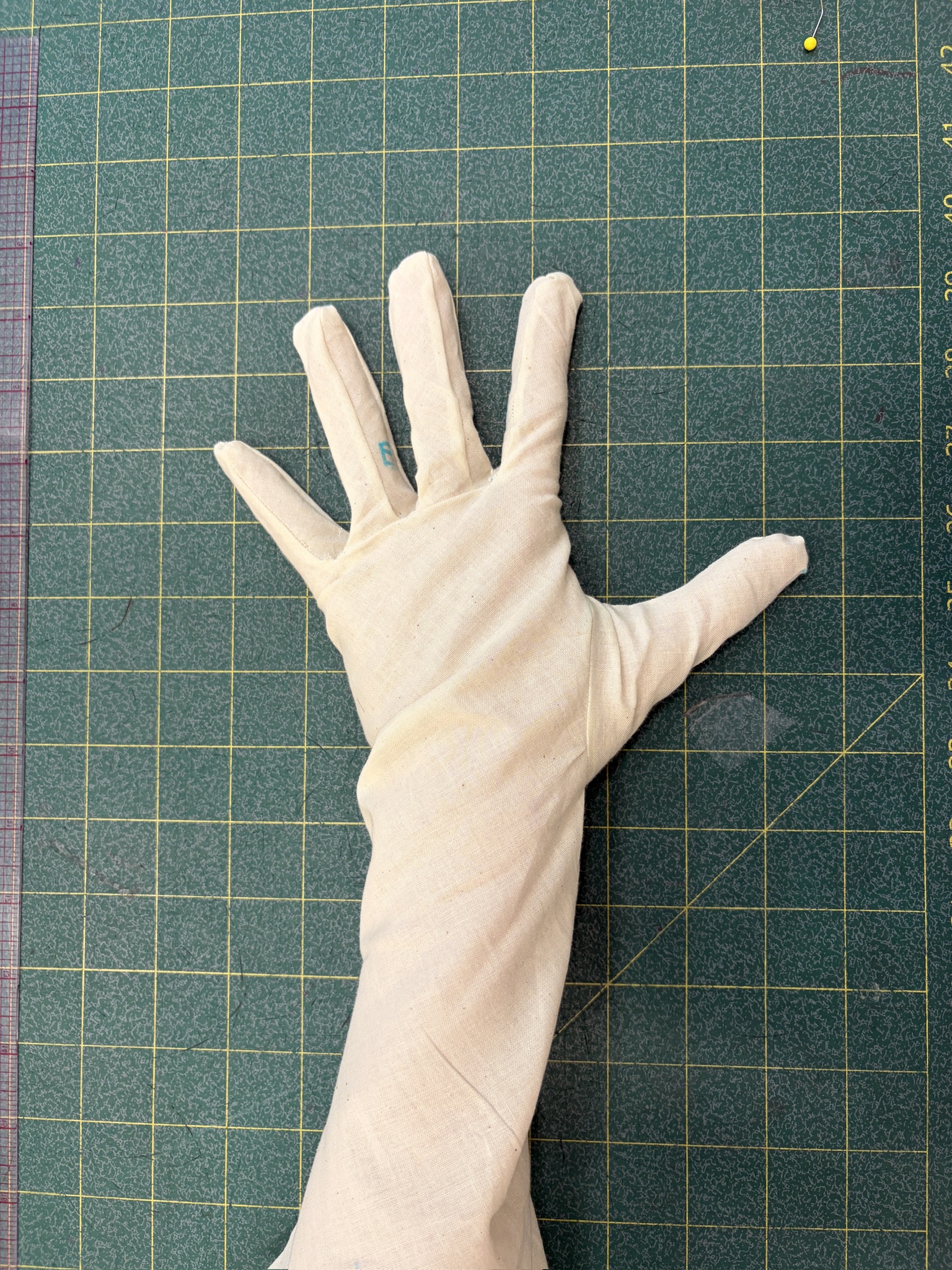
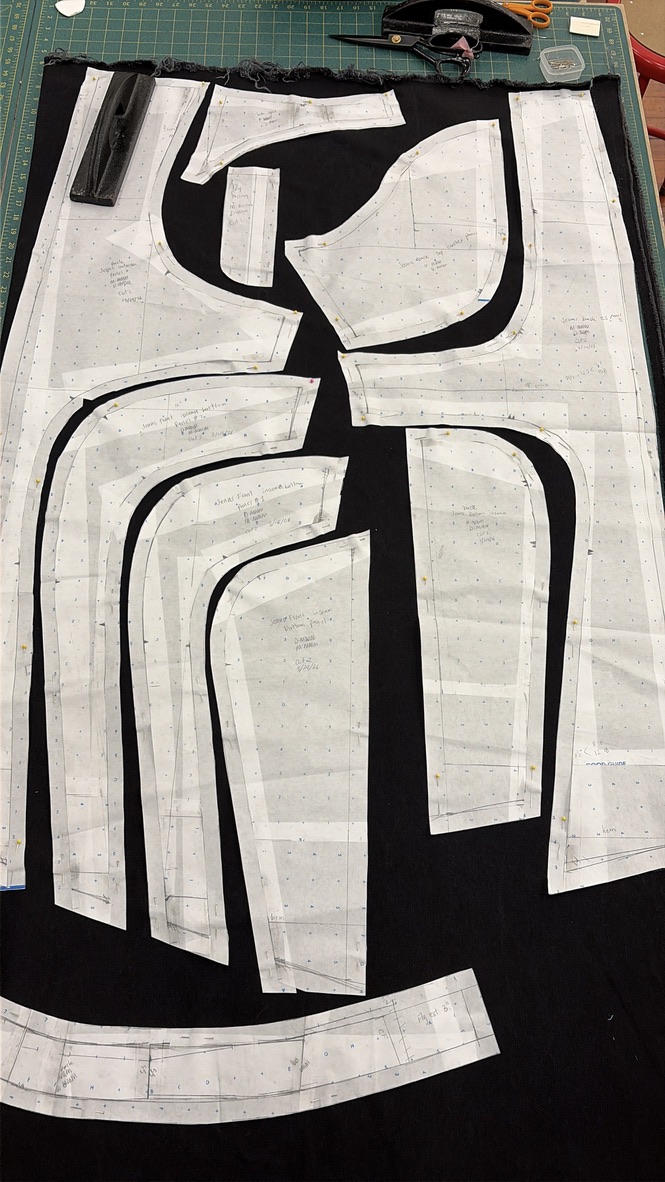
Sewing studios are where this philosophy becomes practical. Patternmaking, fitting, and construction require imagination and discipline at the same time. A garment must carry an idea, but it must also negotiate gravity, movement, friction, proportion, and the limits of a material. I value the full process because no single stage can protect an idea from being questioned by the next.
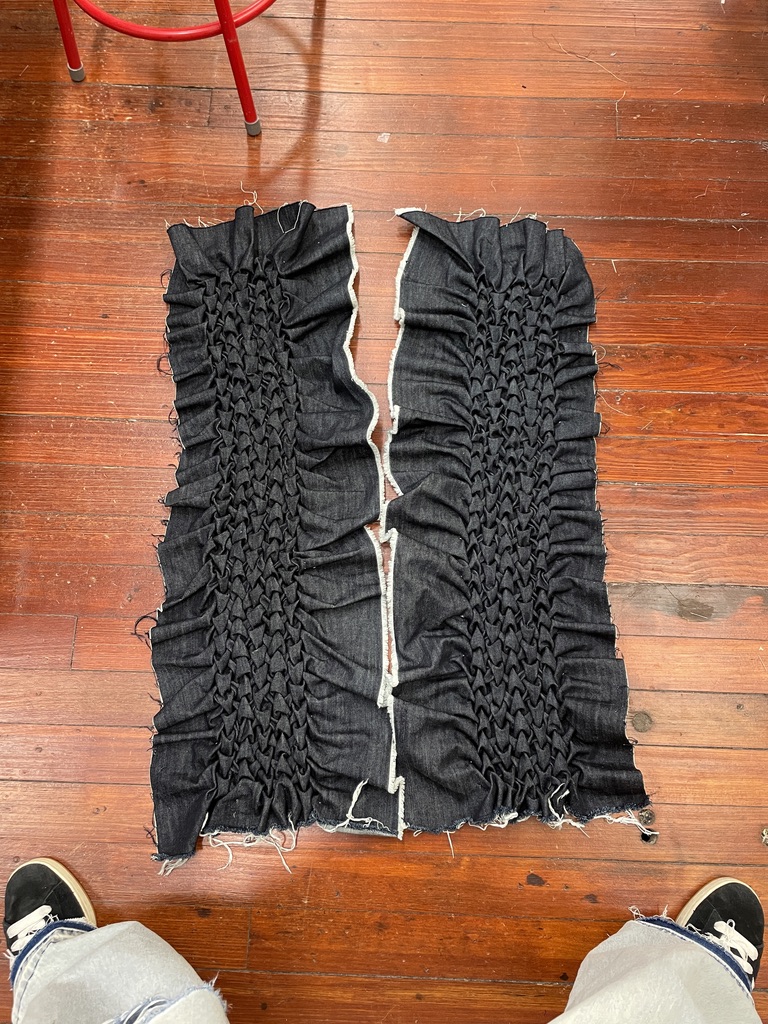
Repetition is particularly important in my work. Smocking, paneling, lacing, knitting, and hand finishing accumulate through small actions. Repetition can produce density, rhythm, distortion, or protection. It can also reveal whether a decision has enough structure to survive beyond one compelling sample. Technique is not separate from expression; it is the means by which expression becomes specific.
I want garments to hold evidence of this process without becoming demonstrations of labor. The goal is not complexity for its own sake. It is to arrive at a form in which construction, material, and emotional intention cannot be easily separated.
V
A creative life
Everyone is creative, though many people are taught to treat creativity as a specialized identity rather than a basic way of engaging with life. My ambition is to develop my work until it can evoke a strong feeling in the person who wears or encounters it. I want that feeling to open rather than close—to make someone more attentive to their body, their surroundings, or their own capacity to imagine.
I am still building the knowledge and technical range required for that ambition. What I can commit to now is the method: look closely, learn widely, make completely, and allow material to revise the idea. Creativity fuels life because it insists that reality is not finished. There is always another connection to make and another form through which that connection can become shareable.
Continue to the work